- Heavy snow
- Wind
- Frozen pipes
- Ice dams
- Hail
Housing mix: historic railroad-era homes, 1980s boom subdivisions, rural acreage.
Snow and cold at the Utah line
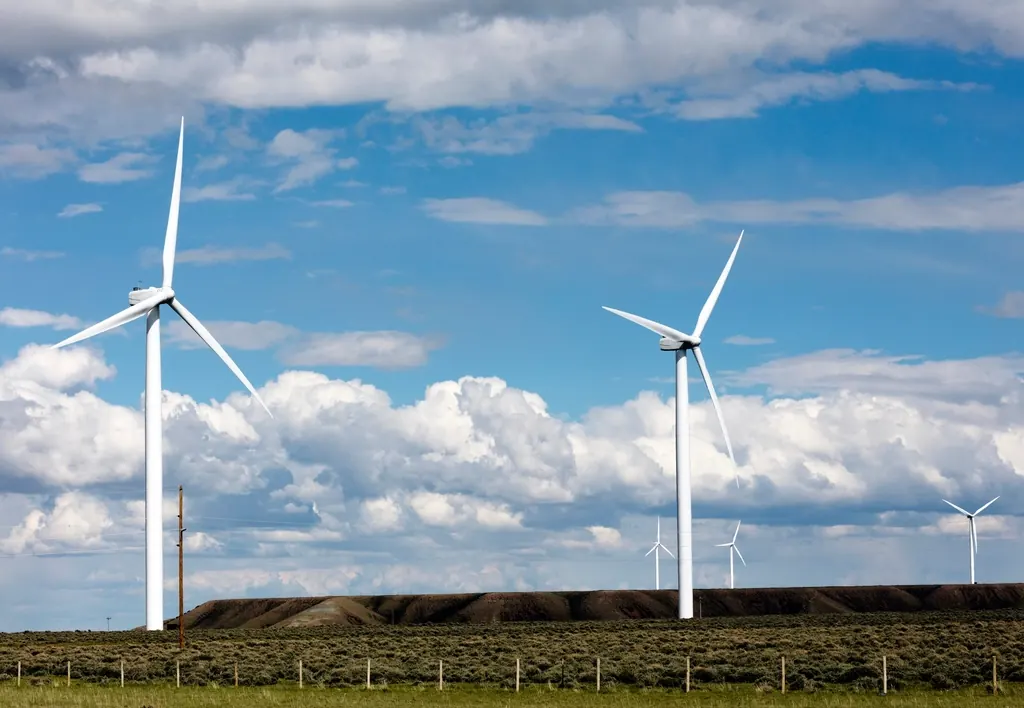
Evanston lies near the Utah border at roughly 6,700 feet, in the Bear River valley north of the Uinta Mountains. It gets more snow than much of southern Wyoming, and long cold stretches make frozen pipes and ice dams common. Wind along I-80 and summer thunderstorms with hail round out the risks. Wind farms on the ridges of Uinta County are a reminder of how steady the wind is.
Railroad heritage and a 1980s boom
Evanston grew as a Union Pacific railroad town, and its historic downtown and older neighborhoods include homes and buildings from that era. The Overthrust Belt oil and gas boom of the late 1970s and 1980s brought rapid growth and many subdivisions, apartments and manufactured homes built in a short time. Rural properties along the Bear River and toward Almy add ranch homes and outbuildings.
Claims we see in Uinta County
- Ice dam leaks into ceilings and walls during long cold spells.
- Snow load damage to porches, carports and outbuildings.
- Frozen and burst pipes in homes and rentals.
- Wind and hail damage to roofs and siding.
- Older homes with discontinued materials that complicate matching.
Services available in Evanston
Every Wyoming Insurance Appraiser service is available to property owners in Evanston and the rest of Uinta County:
- Appraisal Clause Representation
- Homeowner Claim Appraisal
- Commercial, HOA & Multifamily
- Roof & Hail Claim Appraisal
- Wind & Tornado Claim Appraisal
- Water & Burst Pipe Claim Appraisal
- Fire & Smoke Claim Appraisal
- Wildfire, Ember & Smoke Appraisal
- Snow Load & Ice Dam Appraisal
- Insurance Estimate Review
- Umpire Services
Questions from Evanston property owners
Are ice dam leaks covered?
Many policies cover sudden water damage from ice dams, though wording varies. The extent of interior and roof repair is a valuation question once coverage is accepted.
My carport collapsed under snow. Is it covered?
It depends on your policy’s collapse provisions, which sometimes treat structures like carports differently. That coverage question comes first.