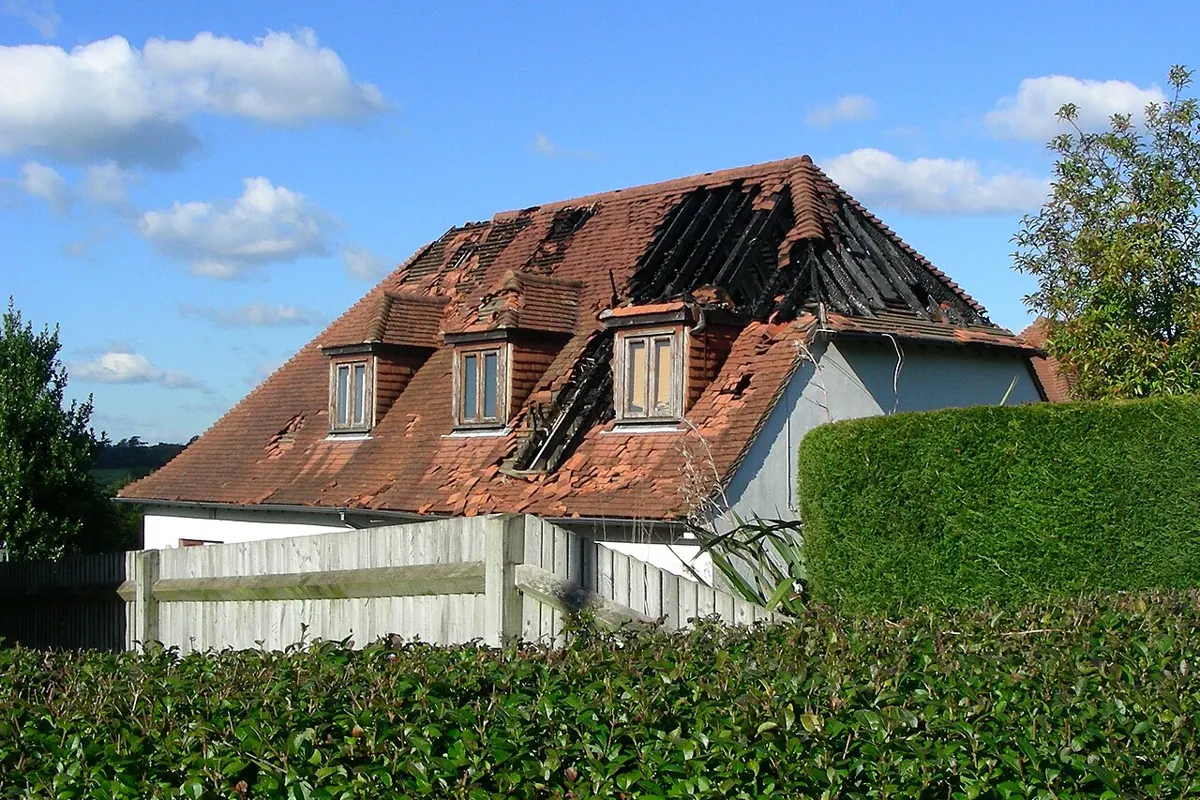
What fire estimates tend to miss
- Smoke migration through ductwork, attic space and wall cavities into rooms the fire never touched.
- Cleaning versus replacement. Whether drywall, insulation, cabinets and contents can really be cleaned to remove odor, or have to go.
- Heat damage to windows, wiring, plastics and finishes some distance from the fire.
- Water and freezing damage from suppression, especially in winter when a house is left without heat.
- Code upgrades required when a large portion of a building is rebuilt.
Contents after a fire
Contents can be the largest part of a residential fire claim and the most tedious to prove. We help build a room-by-room inventory, price items at current replacement cost, and apply depreciation the way your policy actually describes it. A panel can value that inventory item by item.
Total losses
When a home is destroyed, the dispute is often about the cost to rebuild — square-foot pricing versus a true line-item rebuild estimate, debris removal, foundation reuse and code requirements. Rural rebuilding in Wyoming carries mobilization and travel costs that a statewide average misses.
A note on cause and origin
The cause of a fire can affect coverage. If the carrier is investigating cause, or has raised questions about it, talk to an attorney about that part of the claim. Appraisal is for the amount of a covered loss.
Questions about fire & smoke claim appraisal
Can smoke damage be appraised if there was no flame in that room?
Yes. If smoke damage is covered, the panel values the cleaning or replacement it requires wherever it occurred.
What if the carrier wants to clean items I think are ruined?
That is a common disagreement. Testing, odor evaluations and restoration industry standards help a panel decide what is reasonable.
Do you handle total-loss fires?
Yes. We prepare full rebuild estimates rather than relying on square-foot averages.